Speaker Bios
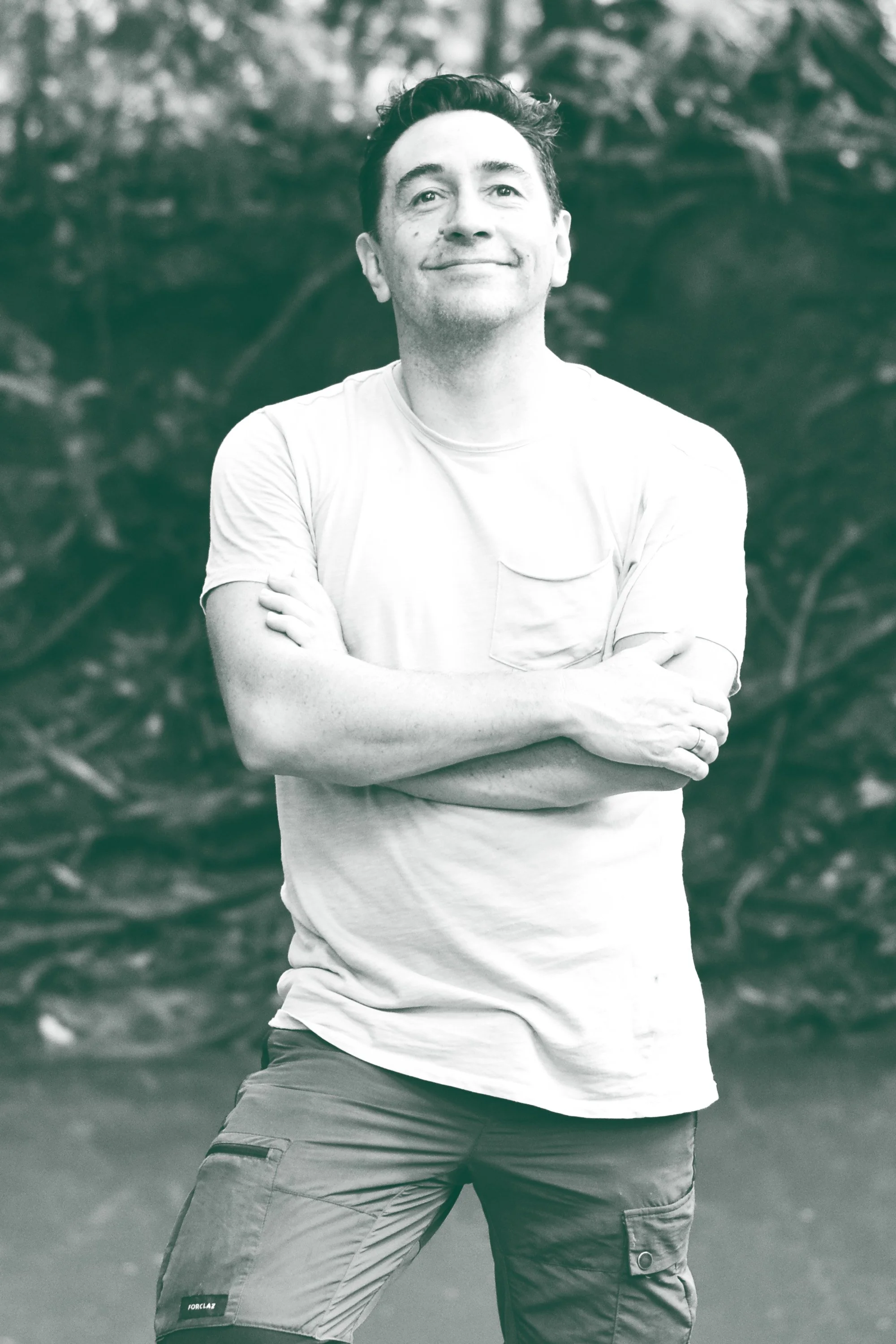
Santiago Amaya
Santiago Amaya is Associate Professor of Philosophy at Rice University. He studies the effects of socio-cultural variation on people’s moral experiences and their moral evaluations, as well as foundational questions about human agency, self-control, and moral responsibility. His work in has been published in philosophy and psychology journals, including Noûs, Philosophical Studies, Synthese, as well as Journal of Psychology: General, Personality and Social Psychology Bulletin, and the British Journal of Social Psychology. Santiago has been awarded grants by the Volkswagen Foundation, the John Templeton Foundation, the James S. McDonnell Foundation, and the Open Society for Universities.
Rice University
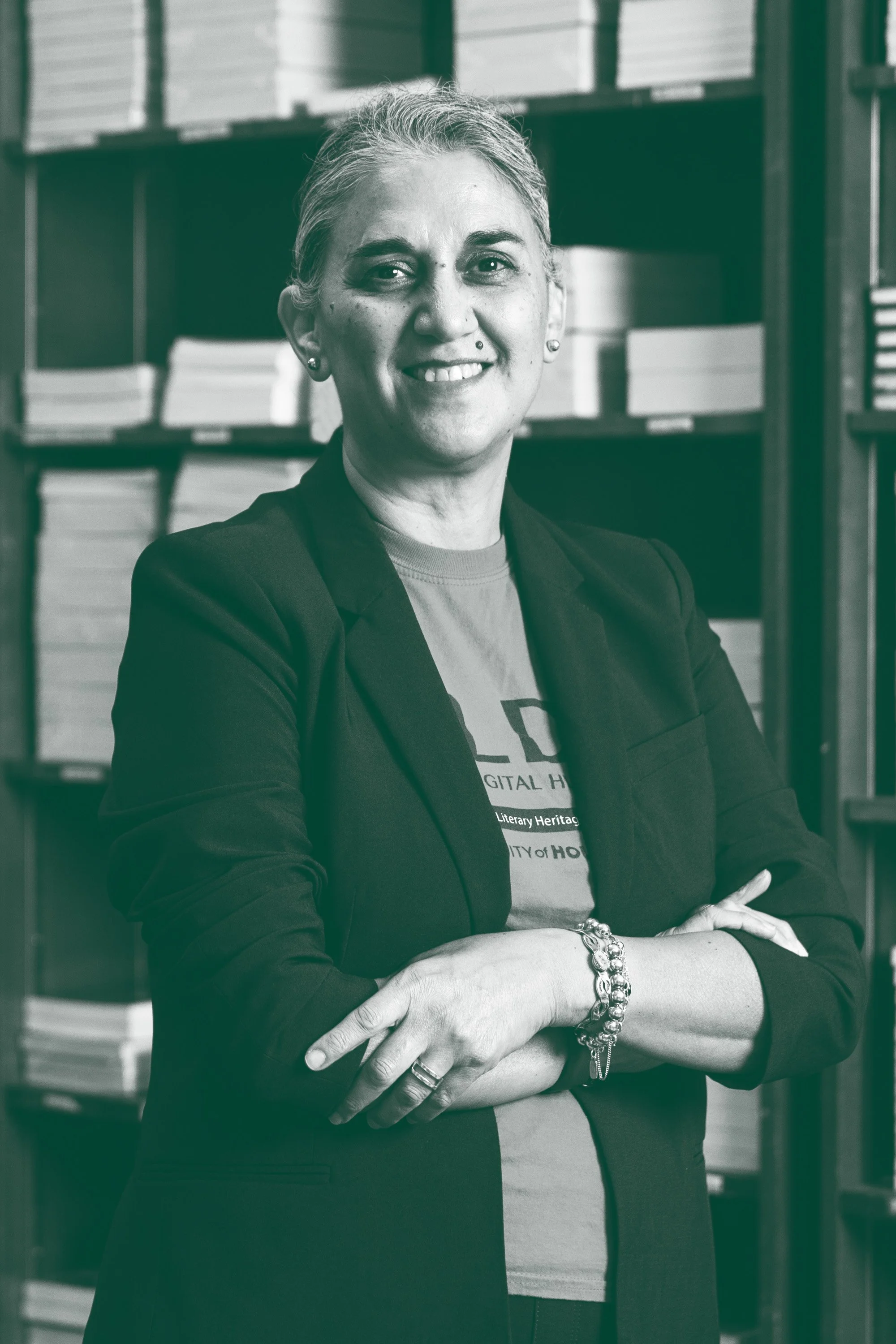
Gabriela Baeza Ventura
University of Houston + Arte Público Press
Gabriela Baeza Ventura, Ph.D. is Director of Arte Público Press at the University of Houston, the nation’s oldest and largest publisher of US Latino literature. She is also Professor of Spanish and US Latino Literature and Director of the Recovering the U.S. Hispanic Literary Heritage Program. Her work centers on archival recovery, US Latino literary history, and digital humanities, expanding access to historically marginalized voices. A co-founder of the U.S. Latino Digital Humanities Center, she has contributed to national conversations on inclusive archives and scholarship through collaborations with organizations such as NEH and Mellon/ACLS. Her work bridges publishing, scholarship, and community engagement.

Lina Britto
Lina Britto is an associate professor in the Department of History, and affiliated faculty in the Department of Spanish and Portuguese and the Latin American and Caribbean Studies program at Northwestern University. She is the author of Marijuana Boom: The Rise and Fall of Colombia’s First Drug Paradise (University of California Press, 2020); coeditor of two volumes on Colombia, Histories of Solitude and Histories of Perplexity (Routledge, 2024); and coauthor of Changes and Continuities in the Conflict, the commemorative report of the Historical Commission of the Armed Conflict and Its Victims, CHCV, published by the Colombian government’s Unit for Implementation of the Peace Accords in 2024.
Northwestern University
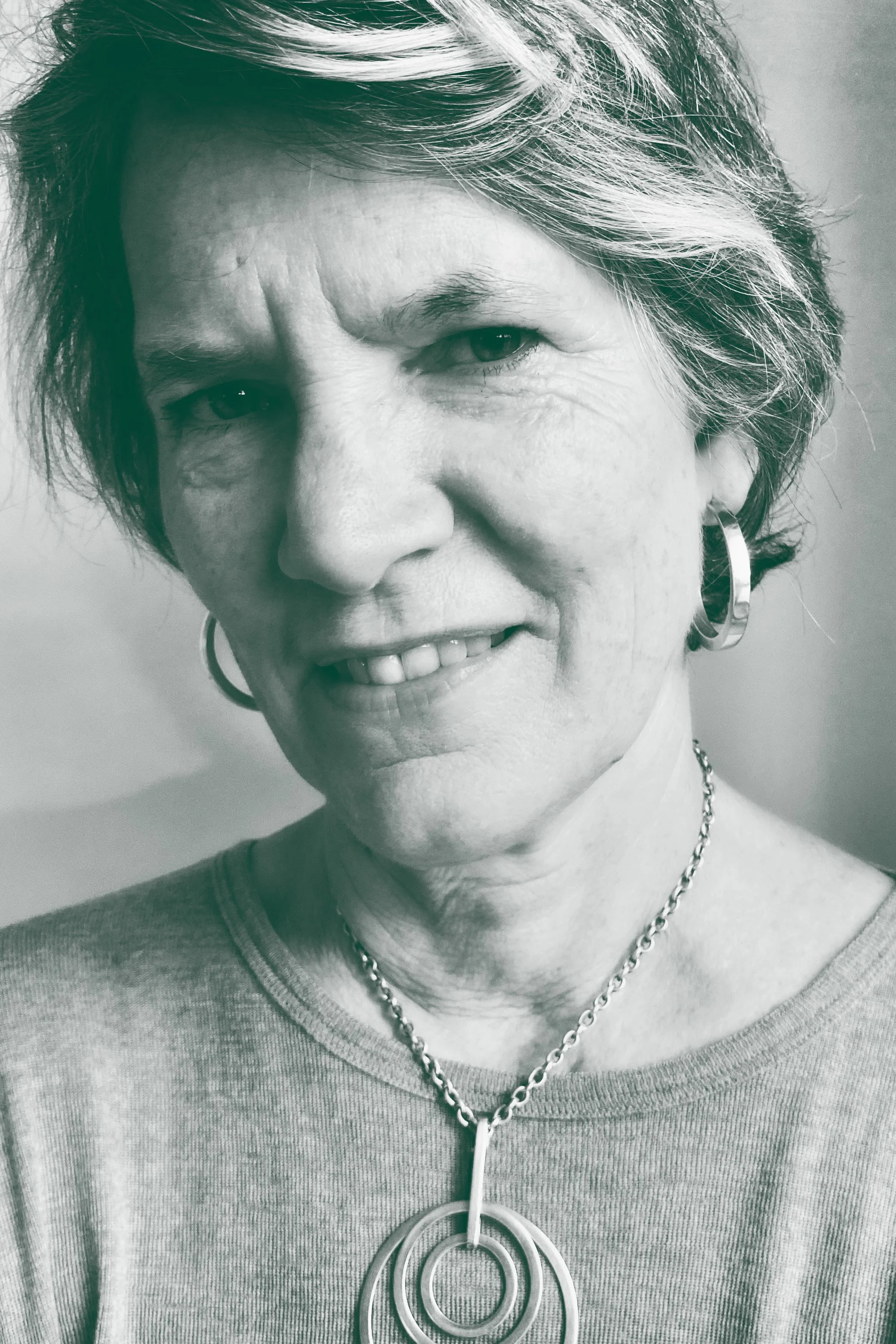
Kate Doyle
Kate Doyle is senior analyst of U.S. policy in Latin America at The National Security Archive. She directs the Evidence Project, connecting the right to truth and access to information with human rights and justice struggles in Latin America. Since 1992, Doyle has worked with human rights organizations, truth commissions and prosecutors to obtain government records from secret archives that shed light on state violence. She has testified as an expert witness in numerous human rights hearings, most recently in the 2024 trial of a Guatemalan massacre perpetrator living in Canada.
National Security Archive
Ludmila Ferrari
Ludmila Ferrari studies the material culture that gives form to experiences of displacement, migration, and groundlessness in the Americas. Working with interdisciplinary archives that include architecture, fine arts, photography, and forensics, her research and artistic practice examine the erosion of inherited political foundations and the challenge of assembling new modes of living together. She has developed community-based art projects and published her work in peer-reviewed journals. She is currently completing her first book manuscript. Ludmila Ferrari is an Assistant Professor at Amherst College.
Amherst College
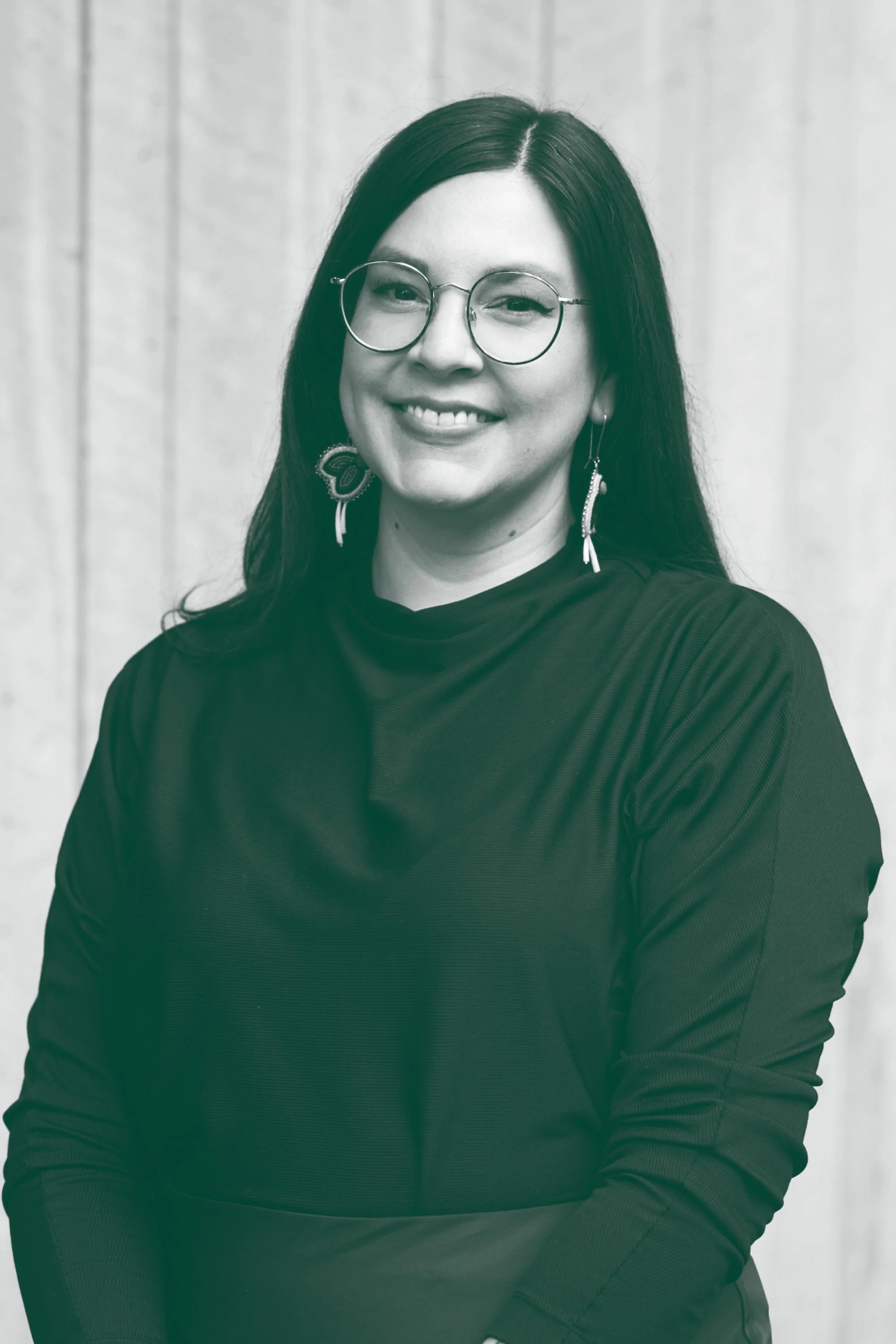
Eva Jewell
Eva Jewell is Anishinaabekwe from Deshkan Ziibiing (Chippewas of the Thames First Nation) in southwestern Ontario, with paternal lineage from Oneida Nation of the Thames. Her research supports Anishinaabe cultural & political reclamation and explores Indigenous feminist care ethics. From 2019-2023, Jewell co-authored a widely cited annual report for Yellowhead Institute on Canada’s accountability in reconciliation with Indigenous peoples. Jewell is an associate professor of Indigenous feminisms in the Sociology department at Toronto Metropolitan University.
Toronto Metropolitan University
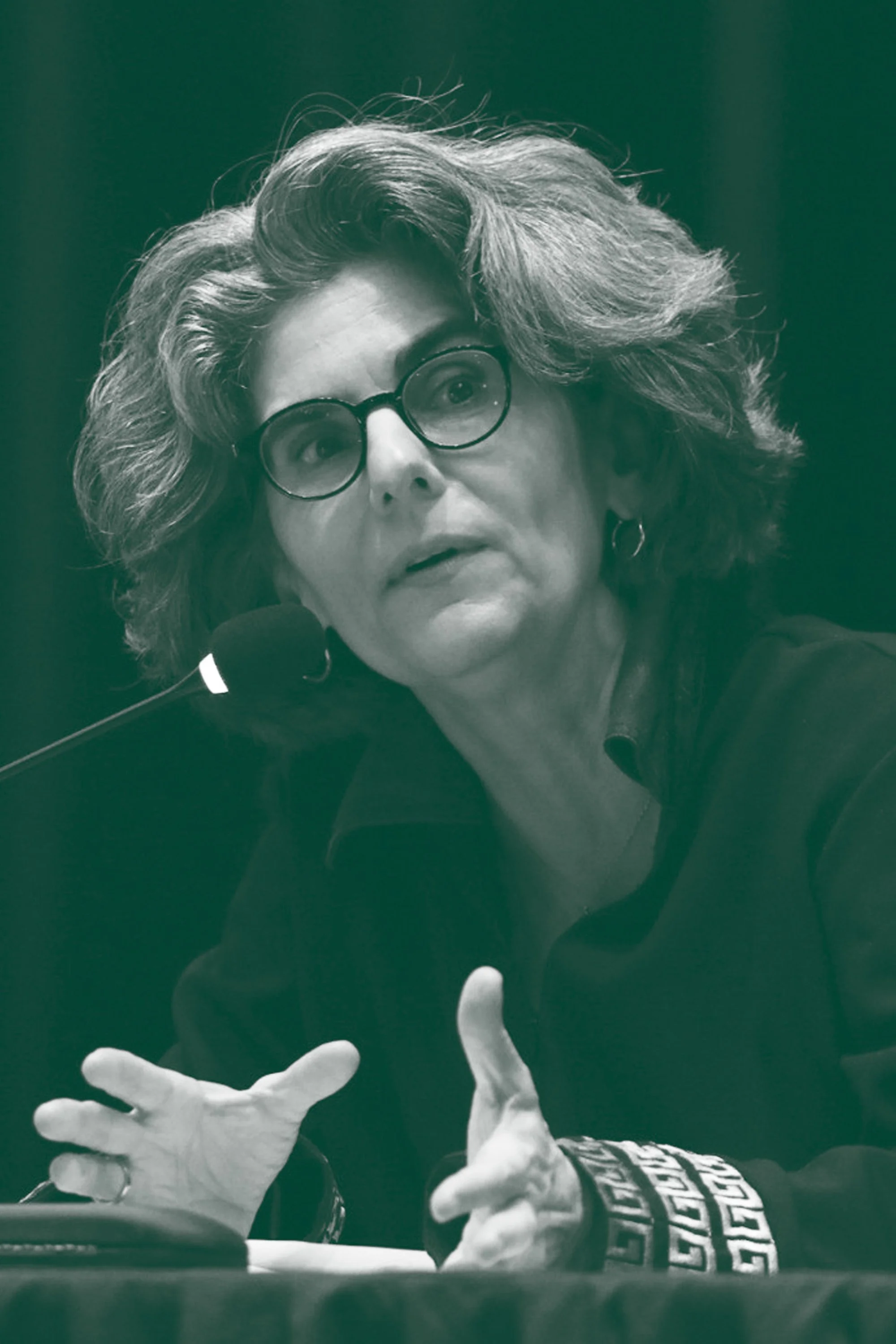
Julieta Lemaitre Ripoll
Julieta Lemaitre Ripoll is examining magistrate at the Justice Chambers of the Colombian Special Jurisdiction for Peace, created in 2018 to implement the transitional justice component of the 2016 Peace Accord. Before her appointment, she taught at the Law School in Universidad de Los Andes, where she had been a full professor since 2007. She has a law degree from Universidad de Los Andes (1995), a Masters in Gender and Religious Studies from New York University (1998) and a doctoral degree in Law and Social Theory (SJD) from Harvard University (2007). She has been Robina Human Rights visiting scholar at the Yale Law School (2014–2015) and PRIO global fellow (2014–2017.) Her scholarly work uses a sociological and historical approach to the study of law and violence in both legal theory and in legal reform projects. She has published in English in several peer reviewed journals as well as book chapters in edited volumes. Her books in Spanish include, El Derecho como Conjuro (2009,) La Paz en Cuestión (2011) and El Estado siempre llega tarde (2019); she also edited La Quintíada(2013) and Derechos Enterrados (2011).
Jurisdicción Especial para la Paz
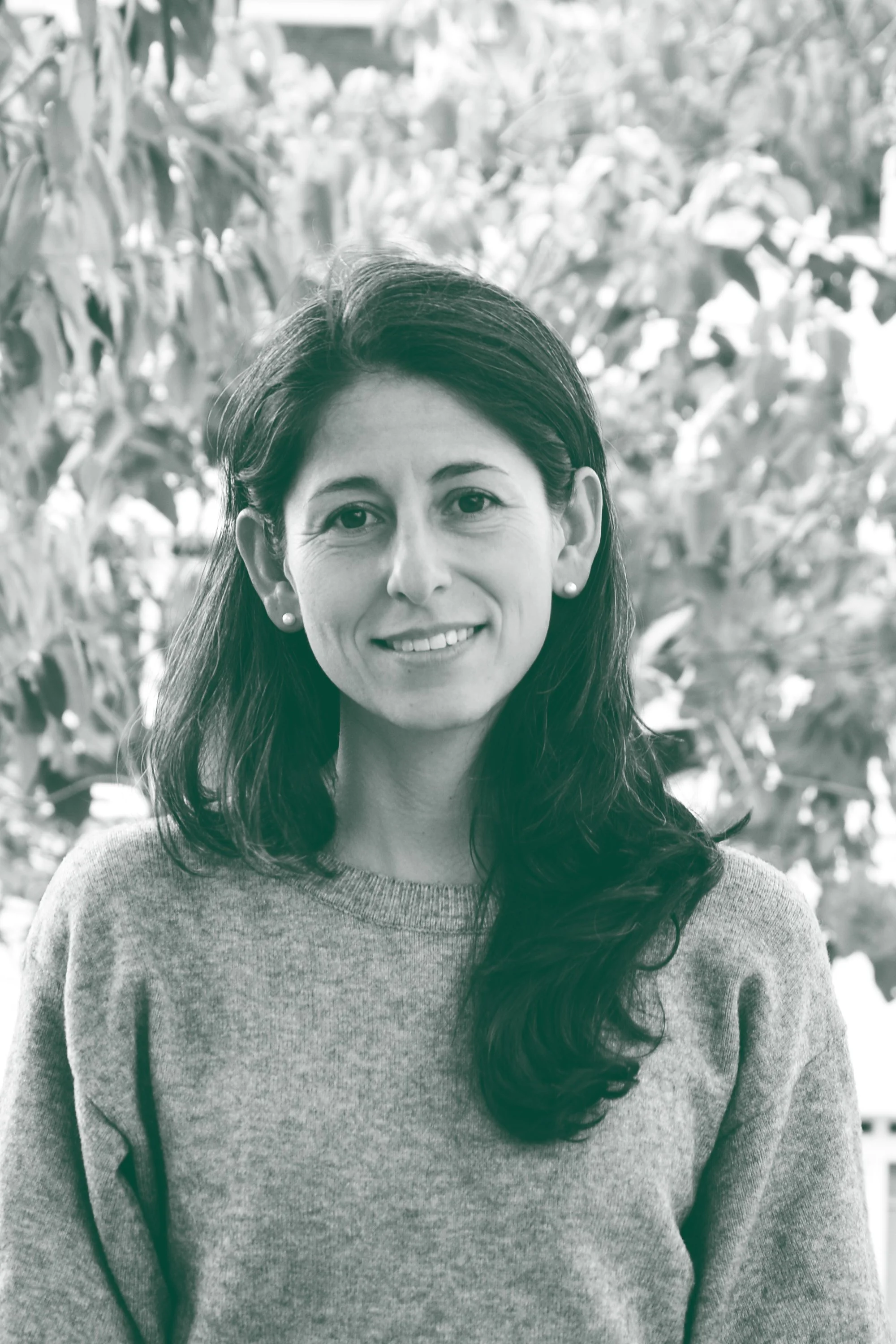
Catalina Muñoz
Catalina Muñoz (Ph.D., University of Pennsylvania) is Associate Professor of history at the Universidad de los Andes, Bogotá. Her work approaches historical thinking and longue durée analysis as a collaborative and forward-looking endeavor. Her latest production is Nuestra Orilla (2023), a podcast that challenges the methodologies, temporalities, and ways of narrating the histories of violence by centering the perspectives of those most affected by it. She was Visiting Research Scholar at Princeton University’s PLAS (spring 2023), Member of the Institute for Advanced Study in Princeton (fall 2022), and was a Fulbright Visiting Scholar at the Humanities Action Lab (fall 2017).
Universidad de los Andes
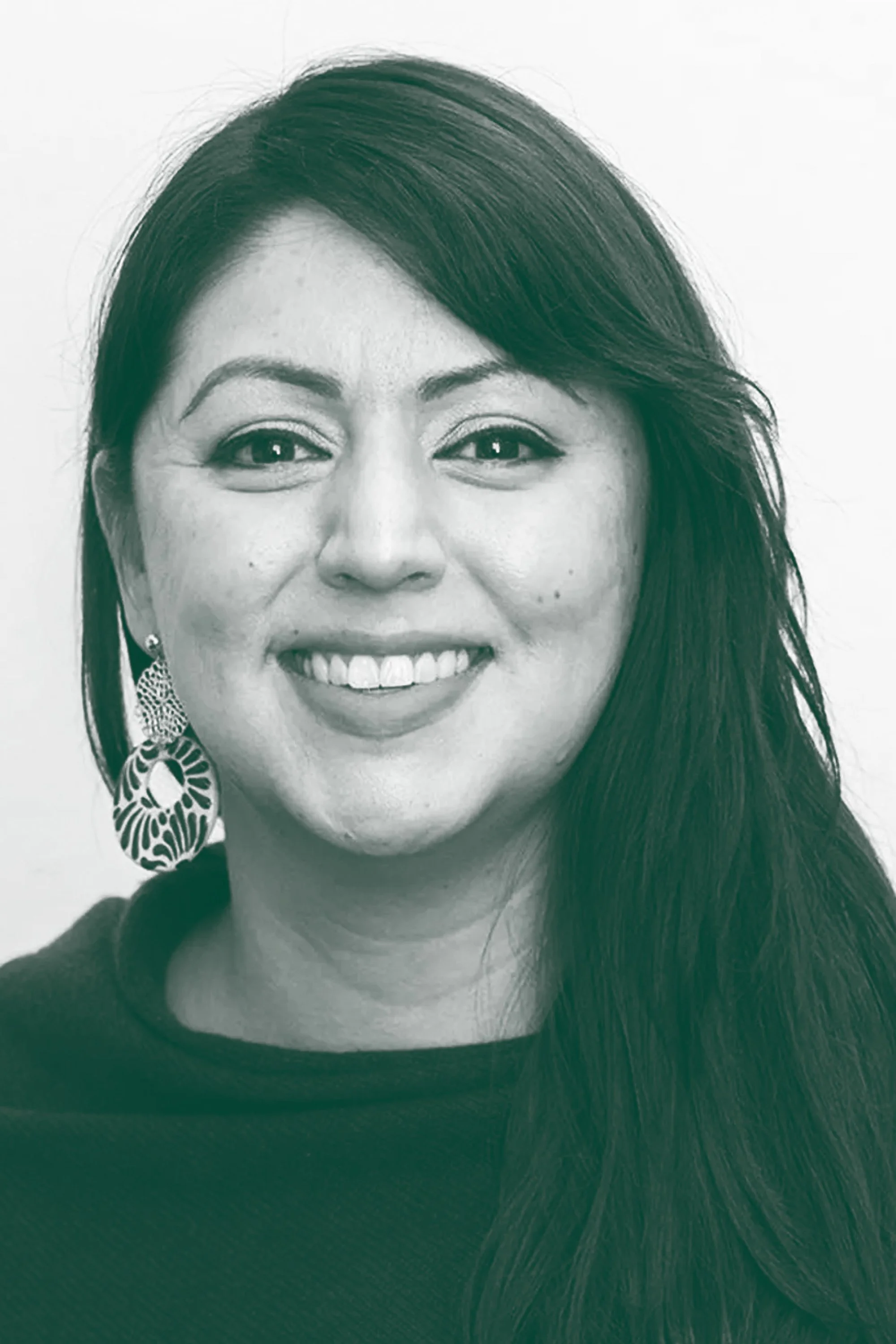
Monica Muñoz Martinez
Monica Muñoz Martinez, PhD, is an Associate Professor of History and the Clyde Rabb Littlefield Chair in Texas History Fellow at The University of Texas at Austin. She is an award-winning teacher, author, and public historian. Her first book The Injustice Never Leaves You: Anti-Mexican Violence in Texas (Harvard University Press, 2018) received six book awards. She co-founded the award-winning public history project Refusing to Forget and collaborated with the Texas Historical Commission and the Bullock Texas State History Museum to develop public memorials and exhibits. She’s also consulted with the Smithsonian National Museum of American History. At UT Austin, Martinez teaches classes in Texas history, U.S. history, civil rights history, the history of the U.S. – Mexico border and public history. Since the tragedy at Robb Elementary in Uvalde, Texas, Martinez’s hometown, she has been leading a multidisciplinary team of researchers at UT to bring solutions to meet the ongoing and urgent needs in Uvalde and rural communities impacted by mass violence. She is currently leading the Initiative for Rural Well-Being, History, Health, and Resilience. Her research has received funding from the Mellon Foundation, the Andrew Carnegie Foundation, and the National Institute for Justice, among others. Martinez is a 2021 MacArthur Foundation Fellow and was named a 2023 national honoree for Woman of the Year by USA Today.
The University of Texas at Austin
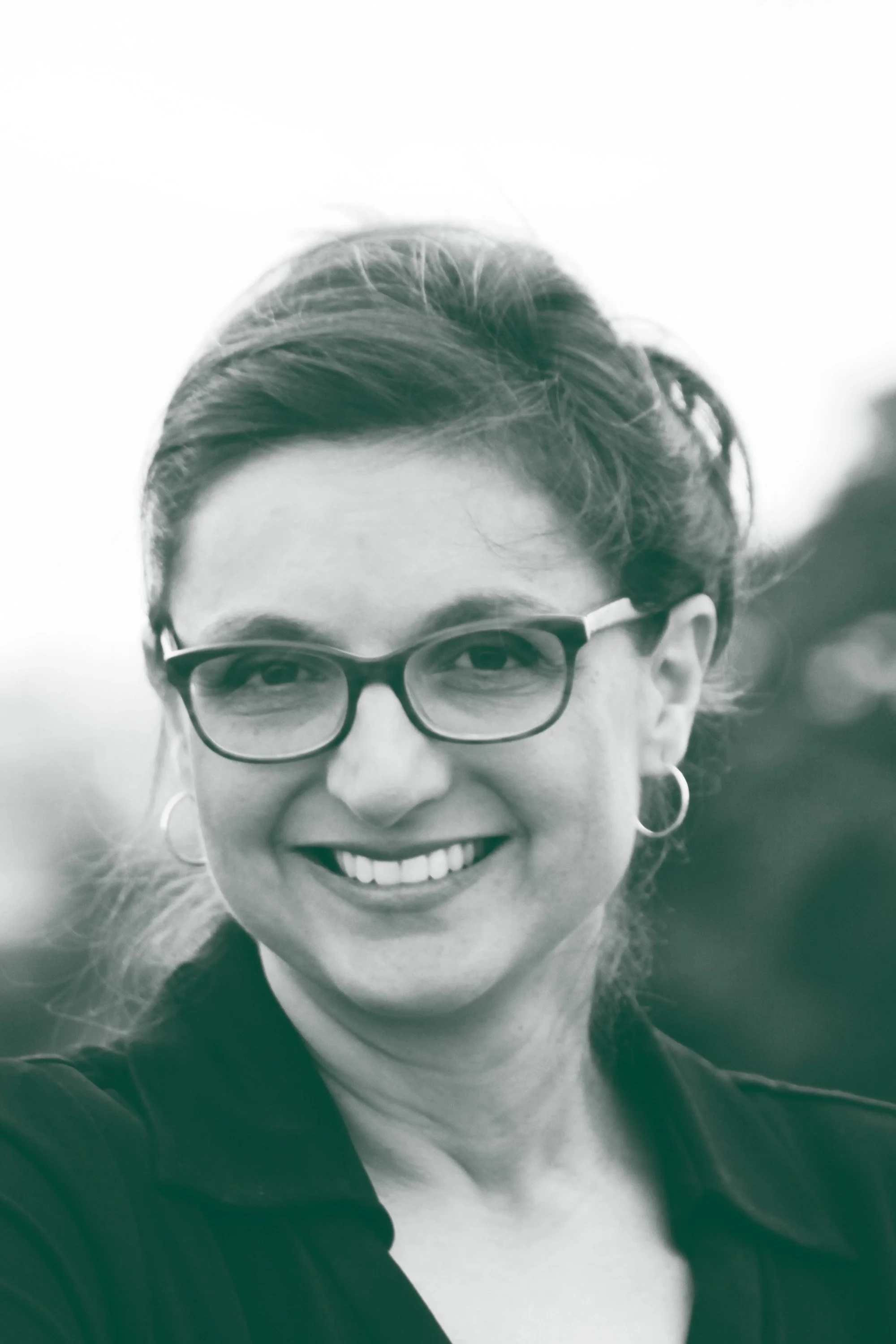
Ana María Reyes
Boston University
Ana María Reyes (PhD University of Chicago) Associate Professor of Latin American Art History, Boston University. Her books include The Politics of Taste: Beatriz González and Cold War Aesthetics (Duke Press, 2019) Simón Bolívar: Travels and Transformations of a Cultural Icon, co-edited with Maureen Shanahan (University Press of Florida, 2016) and To Weave and Repair: Symbolic Reparations in Colombia (in progress).
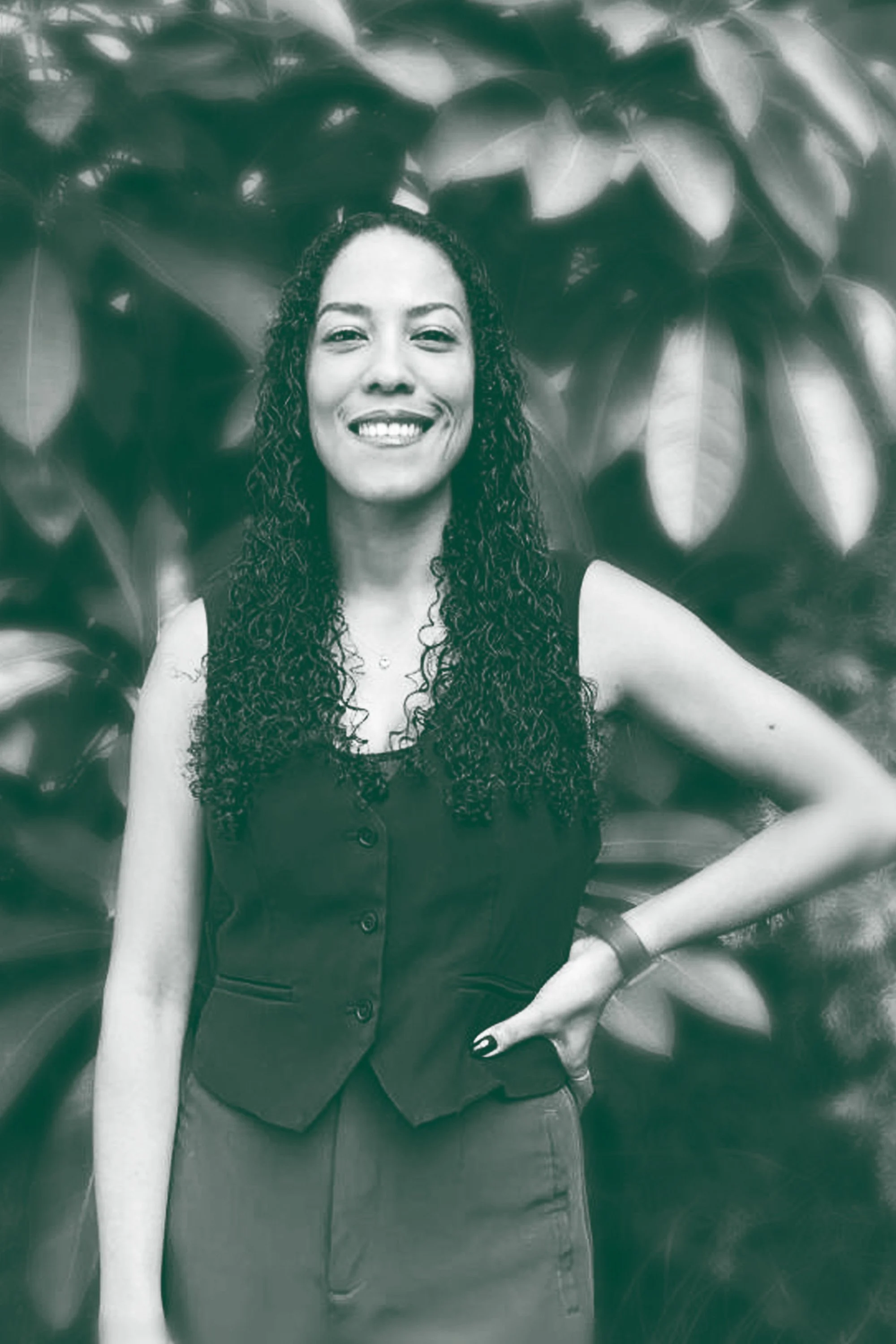
Valeria Reyes
Pontificia Universidad Católica del Perú
Valeria Reyes holds a Law degree from the Pontificia Universidad Católica del Perú (PUCP) and a Master of Advanced Studies (MAS) summa cum laude in Transitional Justice, Human Rights, and the Rule of Law from the Geneva Academy of International Humanitarian Law and Human Rights (Switzerland). She was awarded the Best MTJ Paper Prize for the outstanding Master’s thesis of her cohort. She currently serves as a Professor at the PUCP Faculty of Law and as Academic Coordinator of the Institute for Democracy and Human Rights at the sane University. She has worked as an external consultant for the International Criminal Court, the Inter-American Commission on Human Rights, the Organization of American States, and other local and international human rights institutions.
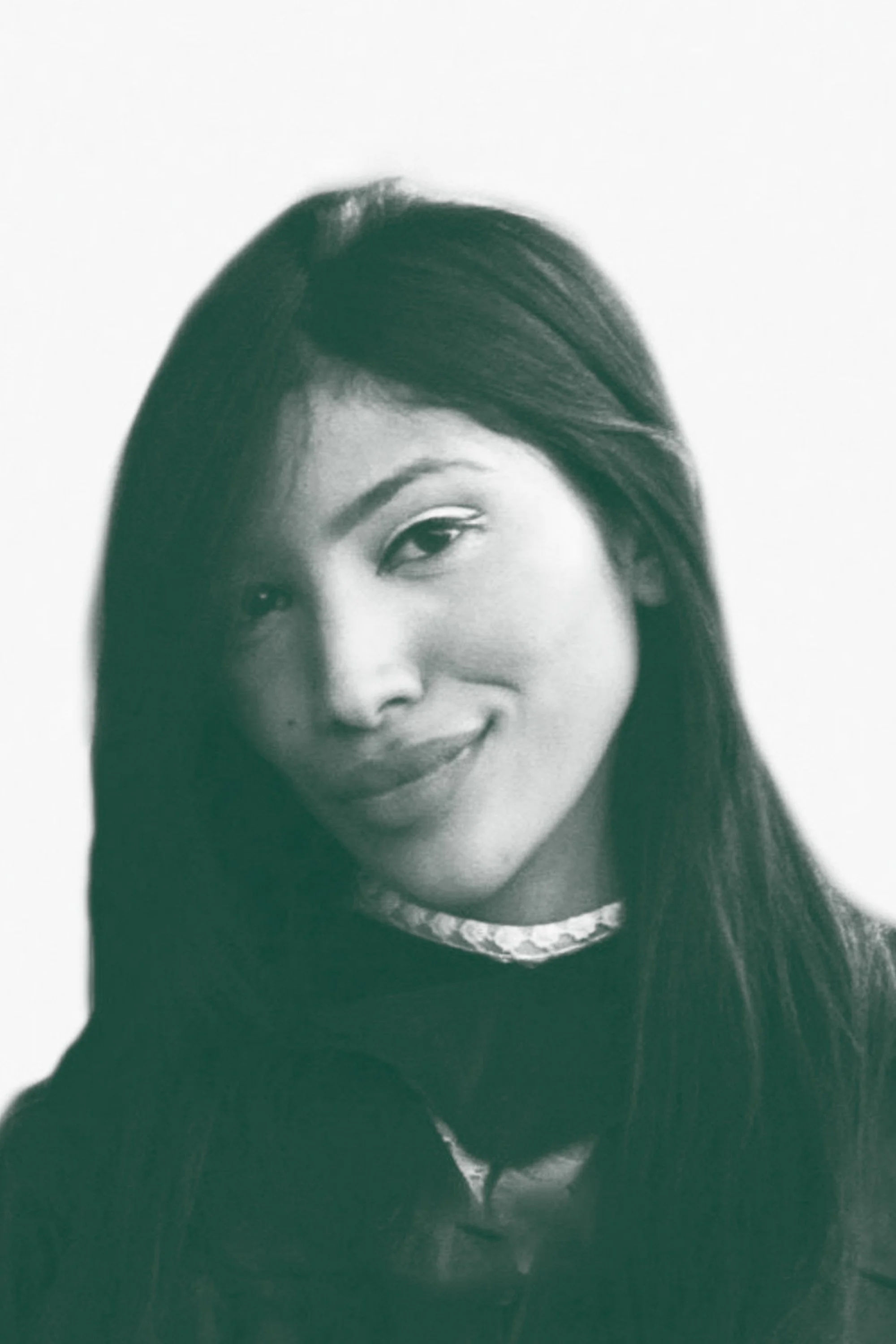
Indira Ricaurte
Archivo General de la Nación - Colombia
Indira Ricaurte Villalobos is an Afro-Colombian human rights lawyer who currently serves as Coordinator of the Program on Archives for Peace and Archives, Memory, and Historical Reparation at the General Archive of the Nation of Colombia. She is also the Director of the Center for Social Studies, Human Rights, and Justice in the Americas (América Justa), a regional network of Afro-descendant professionals. She holds a law degree from the University of Cartagena and an LL.M. from Pennsylvania State University, with a concentration in racial studies. For more than a decade, she has worked to advance peacebuilding and promote the rights of historically marginalized communities across Latin America and the Caribbean.
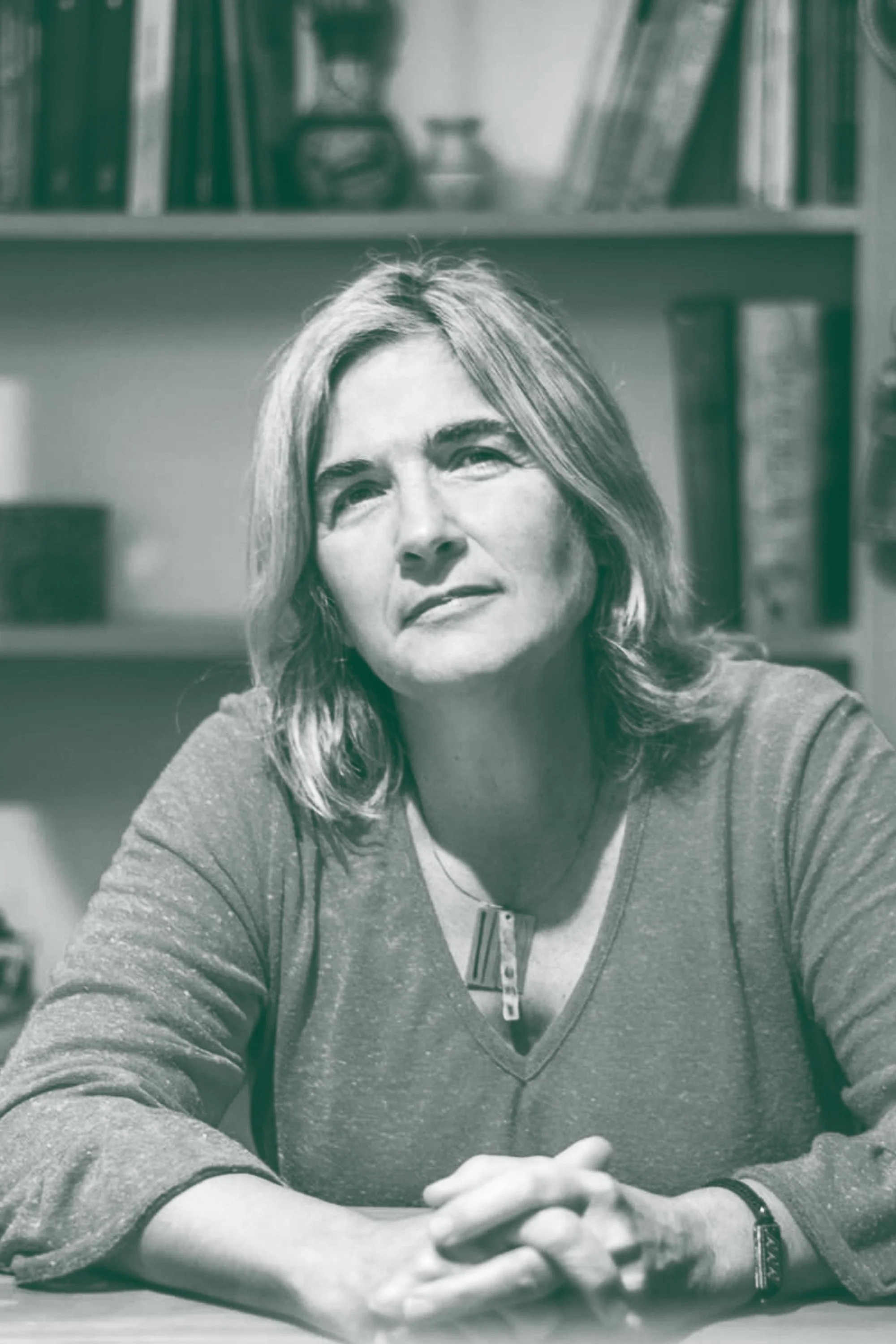
Verónica Torras
Verónica Torras is the Executive Director of Memoria Abierta and Vice President of the Center for Legal and Social Studies (CELS) in Argentina. She holds a Master’s in Collective Memory (CLACSO) and is a PhD candidate in Human Rights for de Universidad Nacional de Lanus. Her extensive career includes leadership roles in both government and human rights NGOs, focusing on communication and memory policies. Since 2017, she has led Memoria Abierta’s efforts in archival preservation and memory transmission, while also coordinating the Latin American and Caribbean Network of Sites of Memory (RESLAC). Her work bridges academic research and human rights activism.
Memoria Abierta